Ancient Questions for Modern Minds
A Pilgrimage Retreat through China
Led by Stephen and Martine Batchelor and Shantum Seth
October 10-25 2027
14 days from USD $TBD
Join us for a retreat on wheels with Stephen and Martine Batchelor and Shantum Seth
Ancient Questions for Modern Minds, Ancient Path for Modern Times.
Trip Overview
Chan Buddhism is the oldest surviving school of Chinese Buddhist meditation, and the direct ancestor of Zen in Japan, Korea, and Vietnam. This pilgrimage traces its living roots — from the monasteries where the tradition was formed to the mountain retreats where its greatest teachers practiced and taught.
The journey follows a coherent lineage arc, moving from the classical Chan centres of Hangzhou and Ningbo southward through the Hongzhou school of Mazu Daoyi, the mountain lineages of Mount Heng, and finally to Shaoguan — home of the Sixth Patriarch Huineng, the most pivotal figure in all of Chan history.
Experience Chan spaces accompanied by Stephen Batchelor's teachings inspired by the very people who built and lived in them.
Visit local homes, meet local people, and experience Chinese life—traditional and contemporary, bustling and serene. You will explore vibrant centers of pilgrimage and areas of rural tranquility.
Immerse yourself in history and culture with your world-renowned Buddhist teachers, Stephen and Martine Batchelor and Shantum Seth, all with decades of experience in leading transformative Buddhist pilgrimages.
Enjoy daily opportunities for sitting and walking meditation, dharma dialogue, and quiet contemplation as a traveling sangha — a community of practice moving together through sacred landscape.
An optional Hong Kong extension of three days offers integration practice at the Asian Institute of Applied Buddhism on Lantau Island, combining modern Chan, urban life, and a closing ceremony.
A percentage of revenue from all Buddha Path journeys goes to Ahimsa Trust (www.ahimsatrust.org) which represents and promotes the work of bringing mindfulness to education. A percentage will also go to Bodhi College.
Teachers
-
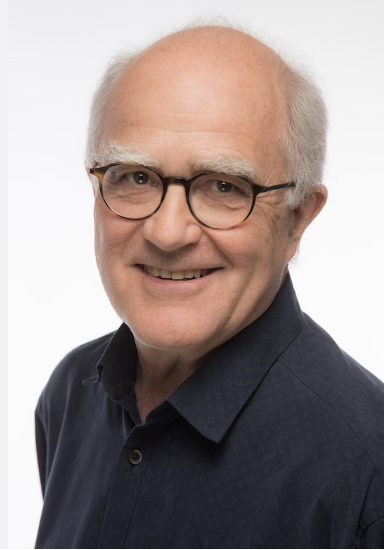
Stephen Batchelor
Stephen Batchelor was born in Scotland and educated in Buddhist monasteries in India, Switzerland and Korea. In 1972, at the age of nineteen, he settled in Dharamsala, and in 1974 he was ordained as a Buddhist monk in the Tibetan tradition and later traveled to Korea where he practiced as a Zen monk. Batchelor disrobed in 1985, when he moved to Devon, England to live and teach at the Sharpham Community and Gaia House. Stephen Batchelor has synthesized a distinctively Western Teaching style of Secular Buddhism, drawing from multiple Buddhist traditions. He is co-founder of Bodhi College. He currently lives in south-west France, with his wife, Martine.
His books include: The Awakening of the West: The Encounter of Buddhism and Western Culture, Buddhism Without Beliefs: A Contemporary Guide to Awakening, Verses from the Center: A Buddhist Vision of the Sublime, Living with the Devil: A Meditation on Good and Evil, Confession of a Buddhist Atheist and The Art of Solitude.
-
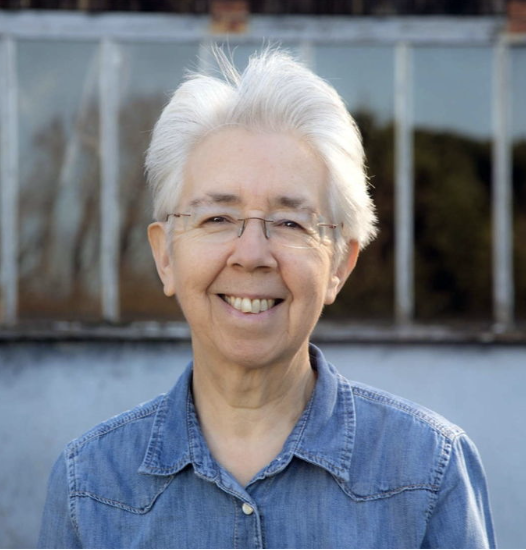
Martine Batchelor
Martine Batchelor was a Buddhist nun in Korea for ten years. She studied Son Buddhism under the guidance of the late Master Kusan. She translated his book ‘The Way of Korean Zen’. Following Master Kusan’s death she returned her nun’s vows and left Korea to come back to live in Europe where she also studied insight meditation. She lives in France with Stephen, her husband and her elderly mother.
She is the author of different books showing her interest in various subjects from Buddhism and ethics “The Path of Compassion” to Buddhism and Women “Women in Korean Zen”. At the moment she is focusing on meditation and compassion in daily life as in “Let go: A Buddhist Guide to Breaking Free of Habits”. Her latest book is The Spirit of the Buddha’.
-
Shantum Seth
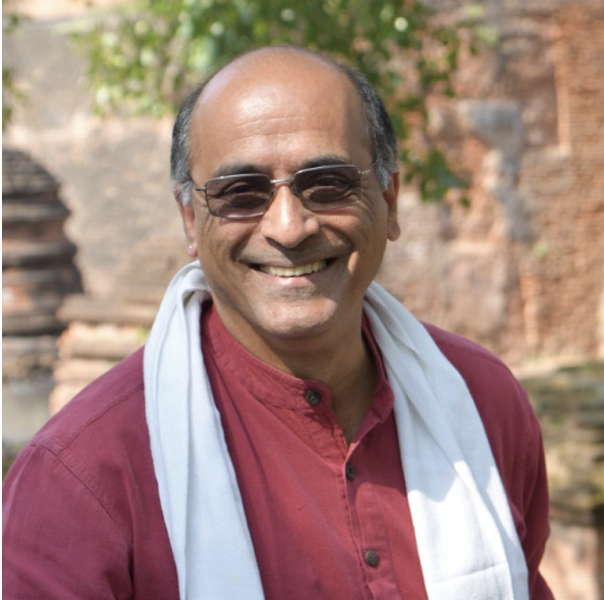
Shantum Seth was ordained and “Transmitted the Lamp” by Thich Nhat Hanh in 2001, receiving the Dharma name Satya Marg (True Path). The foremost expert on sites associated with the Buddha, he has been leading pilgrimages since 1988. He worked for over fifteen years with the United Nations on volunteering, peace, and social development, and later served as a Senior Advisor on pilgrimage tourism for both the World Bank and the Government of India. He has co-authored books such as Walking with the Buddha and Volunteers Against Conflict, and served as a consultant on documentaries including BBC-Discovery’s Life of the Buddha and BBC-PBS’s The Story of India.
Itinerary
-
Day 1: Arrive in Shanghai
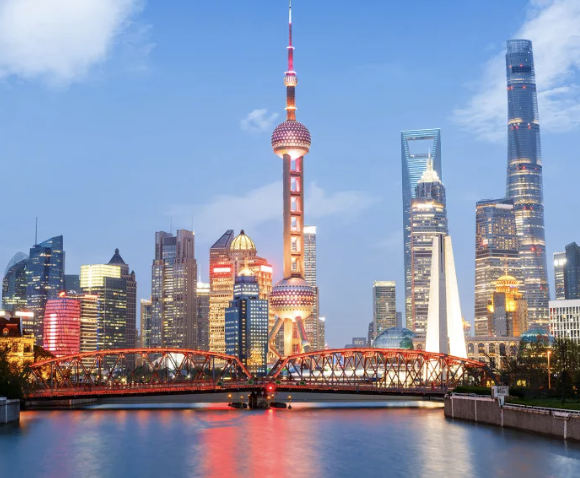
Your pilgrimage begins not with rushing, but with arriving. After the long journey across time zones, today is yours to rest, recalibrate, and step slowly into the rhythm of China. An evening walk along the Bund — that extraordinary mile of colonial grandeur facing the glittering Pudong skyline across the Huangpu River — offers a first, quietly dazzling welcome. If energy allows, the Jade Buddha Temple, home to two exquisite white jade Buddhas carved in Burma in 1882, offers your first taste of the living Buddhist tradition you have come to trace.
-
Day 2: Shanghai
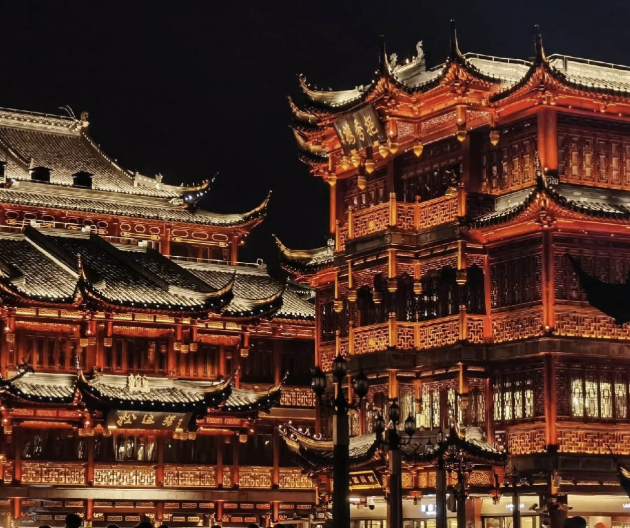
Immerse yourself in the spiritual and cultural heart of Shanghai. Wander the classical pavilions and koi-filled ponds of the 16th-century Yu Garden, lose yourself in the labyrinthine lanes of Old Town, and breathe in the incense-laden calm of three of the city's most revered Buddhist temples — Jade Buddha, Longhua, and Jing An. Lunch is included as you soak up the timeless rhythm of this extraordinary city.
-
Day 3: Shanghai - Hangzhou
Board a sleek high-speed train and glide southwest to Hangzhou, a city so beautiful it inspired the ancient saying "above is paradise, below is Suzhou and Hangzhou." Upon arrival, step into the remarkable Jingshan Temple — the very birthplace of the Japanese tea ceremony. Stroll shaded bamboo-lined pathways and marvel at grand Song Dynasty architecture that has stood for nearly a millennium, setting a deeply contemplative tone for the days ahead.
-
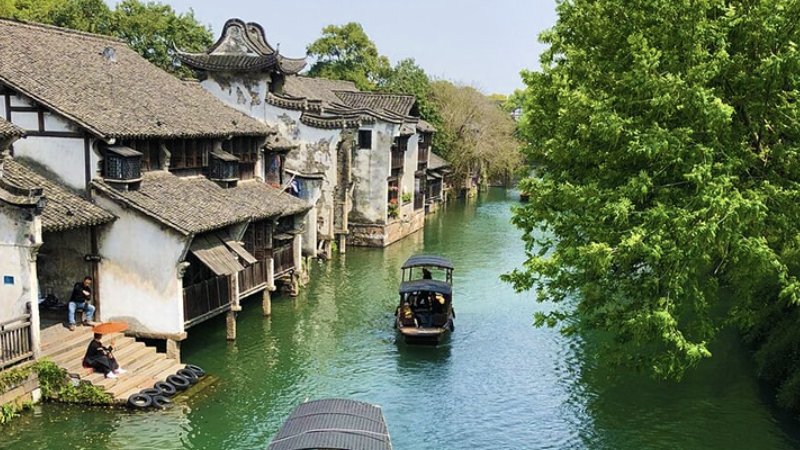
Day 4: Hangzhou
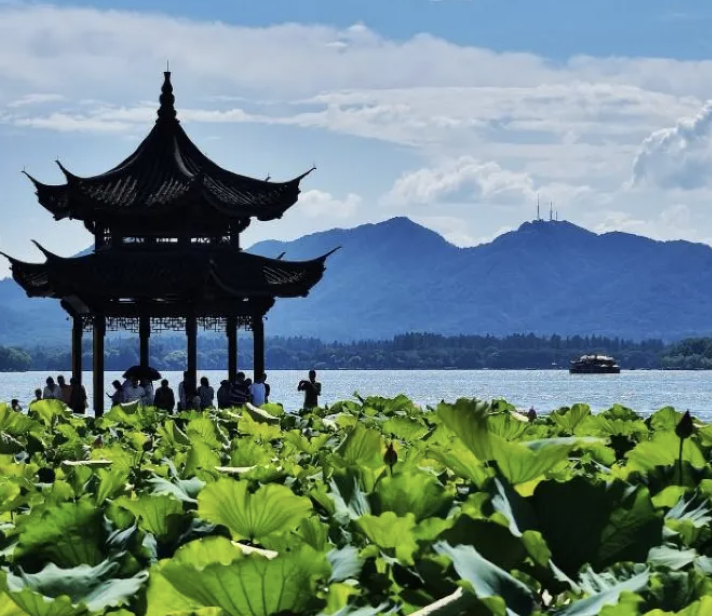
This morning belongs to Yongfu Temple — celebrated across China as the most beautiful temple in the country, tucked into forested hills above the city. This is not a place for hurrying through. Arrive early, when the mist is still in the trees, and sit in the stillness of a practice space that has known monks and meditators for centuries. The afternoon draws you down to West Lake — not for tourist boats, but for the ancient poets' walk along the causeways, where the water, the willows, and the hills compose themselves into a scene that has been inspiring stillness for a thousand years.
-
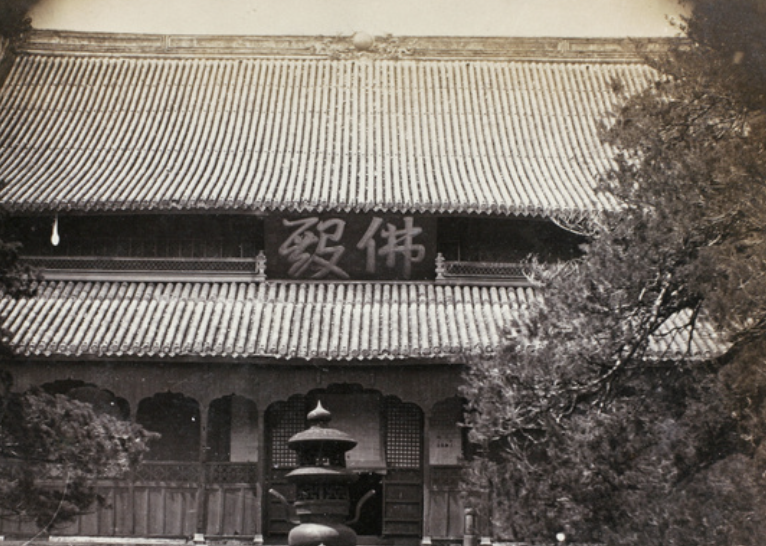
Day 5: Hangzhou - Ningbo
One hour east by train, the landscape opens into the coastal plain of Zhejiang Province and the ancient city of Ningbo. Your destination this afternoon is Tiantong Temple — one of the five great Chan monasteries of China, known as "a Zen kingdom deep in the mountains," so secluded and so ancient that the very air seems quieter here. This is where the Japanese monk Dogen sat in zazen in the 13th century and attained enlightenment — and from where he carried Chan back to Japan, planting the seed of the entire Soto Zen tradition. When you sit here, you are sitting where that lineage was born. The evening is yours in Ningbo, a city of beautiful waterways, before tomorrow's crossing to the sacred island.
-
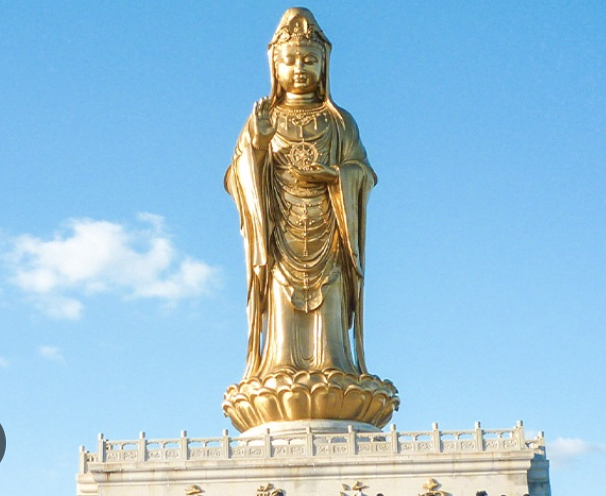
Day 6: Putoshan
A bus and ferry from Ningbo delivers you to one of the most spiritually charged places in the Buddhist world — Putuoshan, the island mountain entirely dedicated to Avalokiteshvara, the Bodhisattva of Compassion, known in China as Guanyin. One of the Four Sacred Mountains of Chinese Buddhism, this small island rising from the East China Sea has drawn pilgrims for over a thousand years. This afternoon you visit Puji Temple — the island's ancient heart, where devotees have been offering incense to Guanyin since the Song Dynasty. As the day closes and the ferry crowds thin, the island reveals its true character: quiet, atmospheric, and deeply alive with centuries of prayer.
-
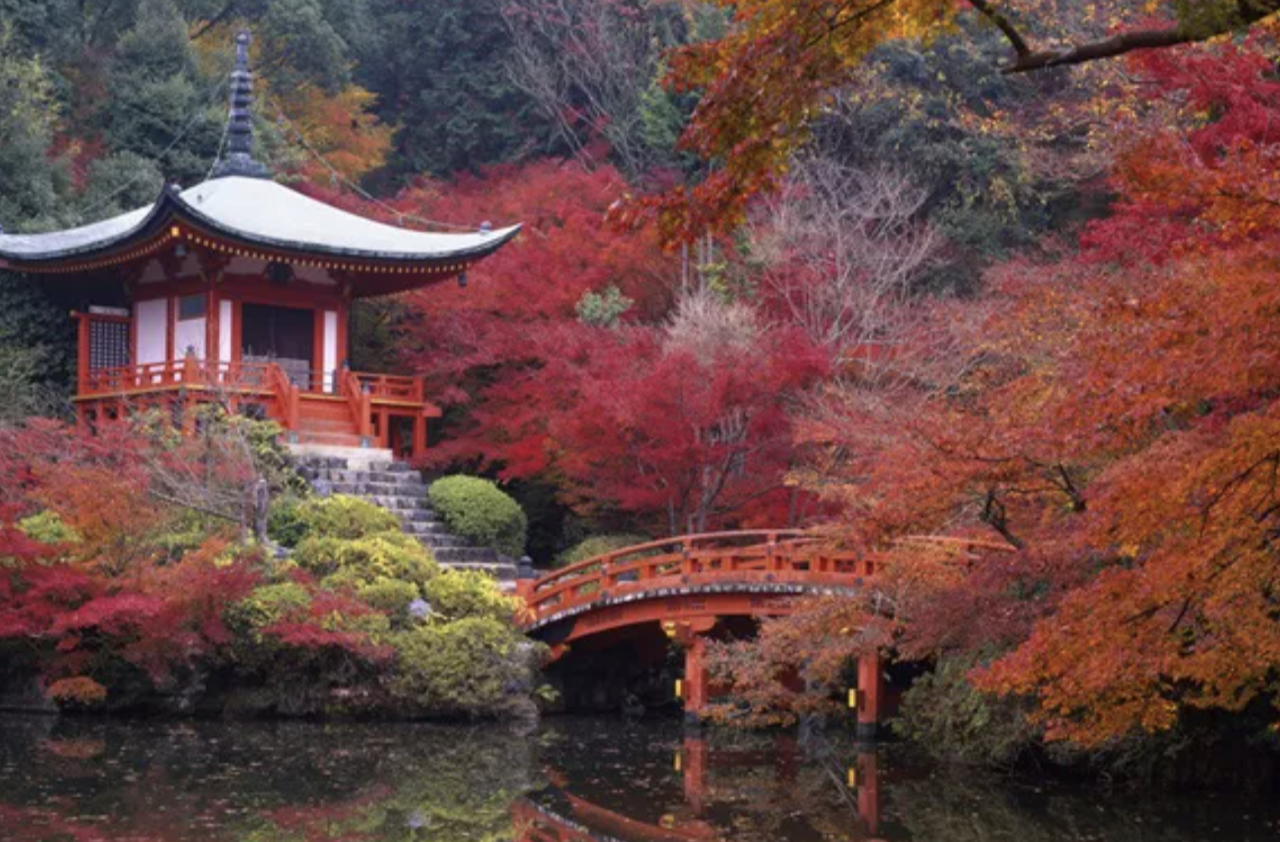
Day 7: Putuoshan
Wake before dawn. This morning's destination is Huiji Temple at the island's highest point, where you will sit in meditation as the East China Sea lights up in every direction and the world below is still in darkness. There are moments on a pilgrimage that change something permanently. This is one of them. The rest of the day unfolds as a full island pilgrimage walk — through the forest paths to the serene Fayu Temple, along the coastal trails where monks have walked for centuries, and back through the village as the afternoon incense rises. Tomorrow the journey turns south and inland, toward the lineage masters.
-
Day 8: Putoshan - Mount Hengshan
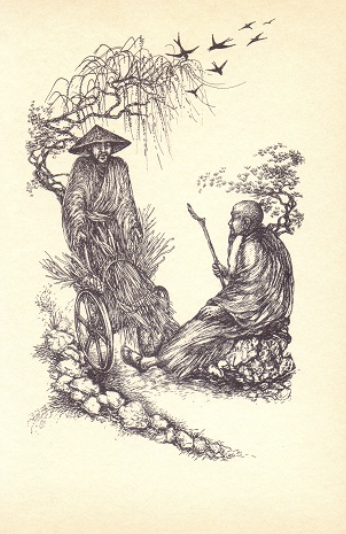
From the island, a ferry and train carry you south and inland to Nanchang — a city largely unknown to Western travellers, yet sacred ground for anyone who has studied the Chan lineage. This is the heartland of Hongzhou Chan, the tradition shaped by the great master Mazu Daoyi, whose radical teaching style — sudden shouts, unexpected actions, the absolute refusal to explain — defined what Chan would become. Youmin Temple and Tianshou Temple preserve the memory of this extraordinary period. You need only an afternoon here; sometimes a single hour in the right place does more than a week elsewhere. Tonight you rest before ascending the Southern Sacred Mountain.
-
Day 9: Mount Hengshan
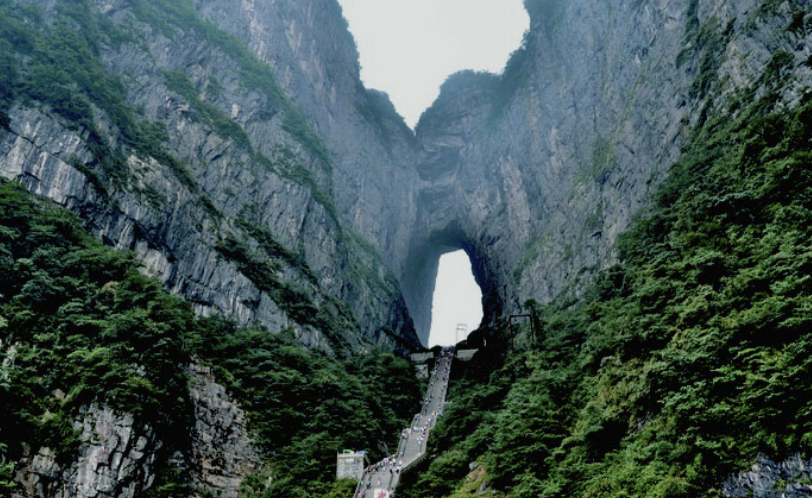
A train to Hengyang brings you to the foot of Mount Hengshan — the Southern Sacred Mountain of China, one of the five great peaks, known for millennia as the Longevity Mountain where heaven and earth draw close. For pilgrims tracing the Chan transmission, this mountain carries a more specific meaning: it is the home territory of Nanyue Huairang, the teacher who mentored Mazu Daoyi himself. To stand here is to stand at a node in the living web of transmission that connects your practice to its origins. Today you ascend — ancient forest paths, ridgeline monasteries appearing through the mist, the world dropping away as you climb. Nanyue Grand Temple at the mountain's base is a sprawling imperial complex where incense has burned continuously for centuries.
-
Day 10: Mount Hengshan
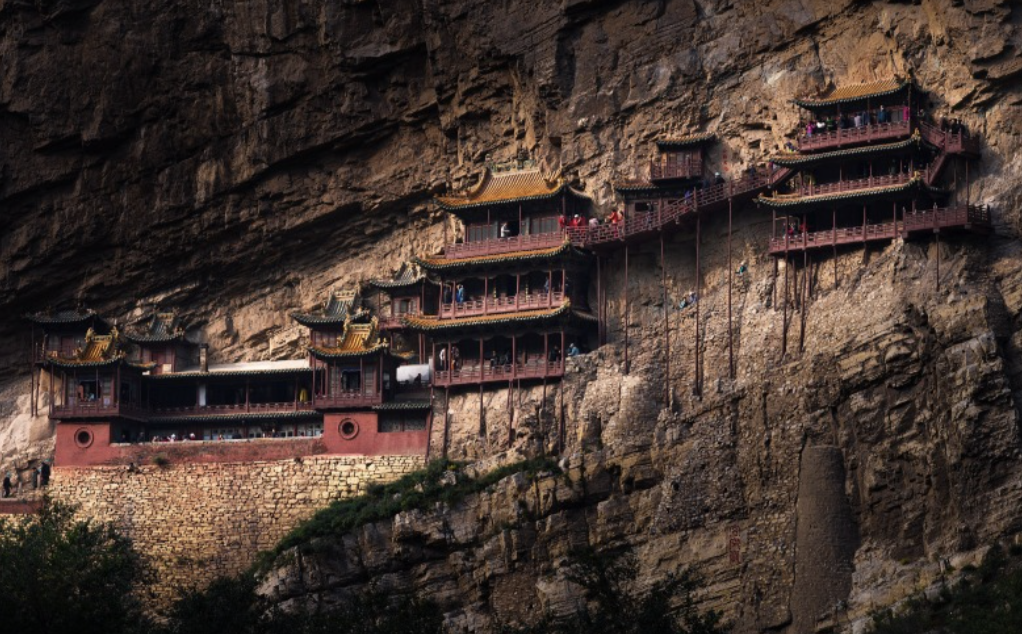
Today belongs entirely to the mountain. No schedule, no destinations to tick off — simply the temple trails, the mountain courtyards, and the particular silence that only altitude and altitude of practice together can produce. Mountains have always done this for meditators: they strip away everything that is not essential. By the time you descend this evening, something will have shifted. Tomorrow you travel to the most sacred ground in the entire Chan world.
-
Day 11: Mount Hengshan- Shaoguan
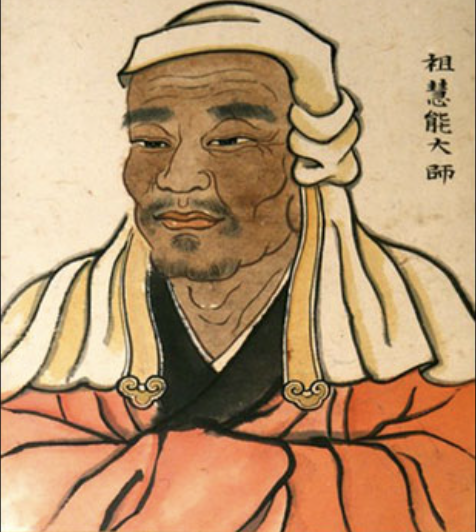
If there is one destination on this pilgrimage that rises above all others, it is this. A train south to Shaoguan brings you to Nanhua Temple — the monastery of the Sixth Patriarch Huineng, the illiterate woodcutter who became the single most important figure in the history of Chan Buddhism. Every school of Zen that exists today — Chinese, Japanese, Korean, Vietnamese — flows from his teaching. The Platform Sutra, the most celebrated text in all of Chan literature, was delivered here. And in the main hall, behind layers of incense smoke and the prayers of a thousand daily visitors, Huineng's preserved body still sits — 1,300 years after his death — in a posture of perfect meditation. To bow before him is an experience that practitioners describe, without exception, as unlike anything else.
-
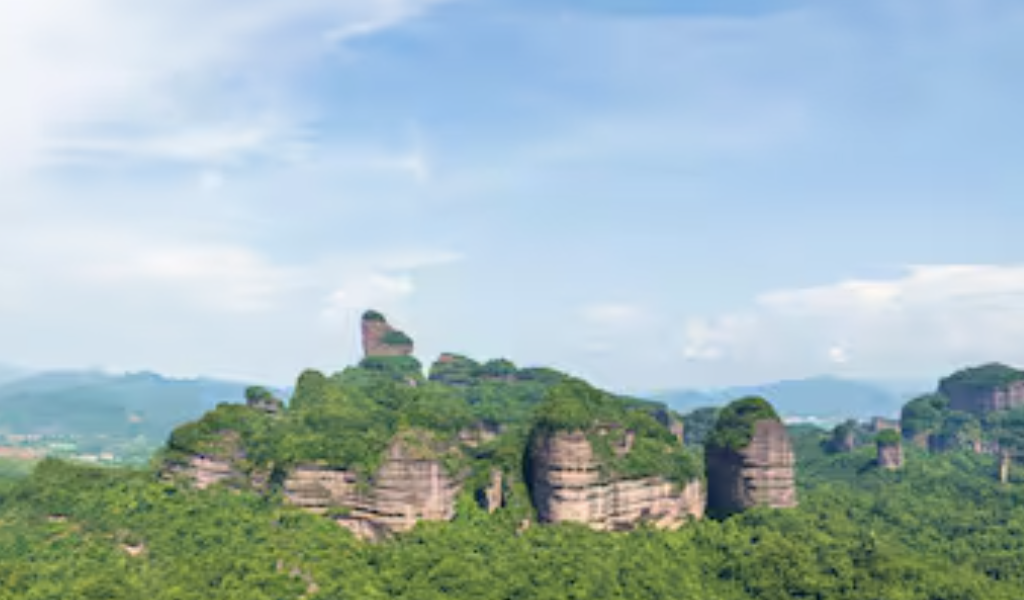
Day 12: Shaoguan
Today takes you deeper into Guangdong Province to Yunmen Temple — perched dramatically in the mountains, home to the Yunmen school of Chan, one of the Five Houses of classical Chinese Buddhism. The master Yunmen Wenyan taught here in the 10th century with a style so compressed and precise that his words have been studied by practitioners for a thousand years. The mountain setting is extraordinary — the monastery embedded in the cliffs as though it grew from the rock itself. These are not tourist attractions. They are the living wellsprings of a tradition you have spent years or decades practising.
-
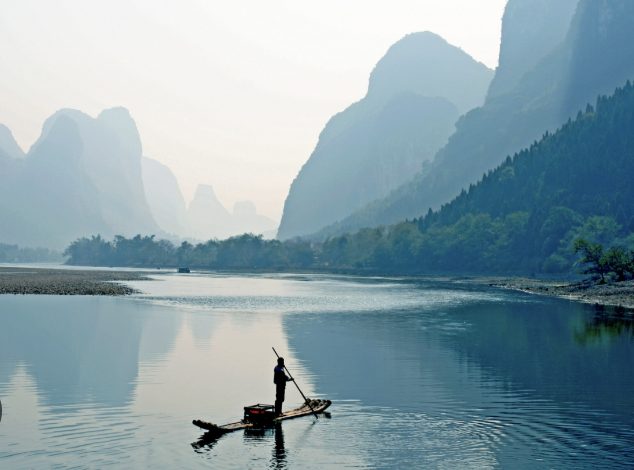
Day 13: Shaoguan - Hong Kong
Your final day is one of gentle transition — from the interior of China back to the international world, from the immersive depth of the pilgrimage toward home. Travel to Hong Kong, the remarkable city where East and West have always met. We will experience a mindful food and walking tour through the city.
-
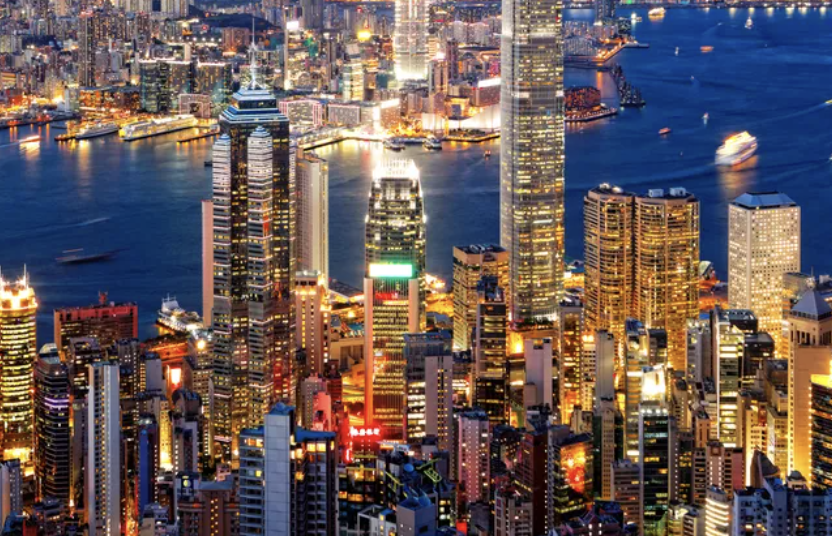
Day 14: Hong Kong
The day in one for reflection and digesting the journey : a harbour walk, a last bowl of noodles, a quiet sit in a temple garden. Those departing today carry something that cannot be photographed or summarised — the particular quality of attention that only pilgrimage produces. For those wishing to honour that with a proper ceremonial close, the Hong Kong Extension awaits.
Hong Kong Retreat Option
-
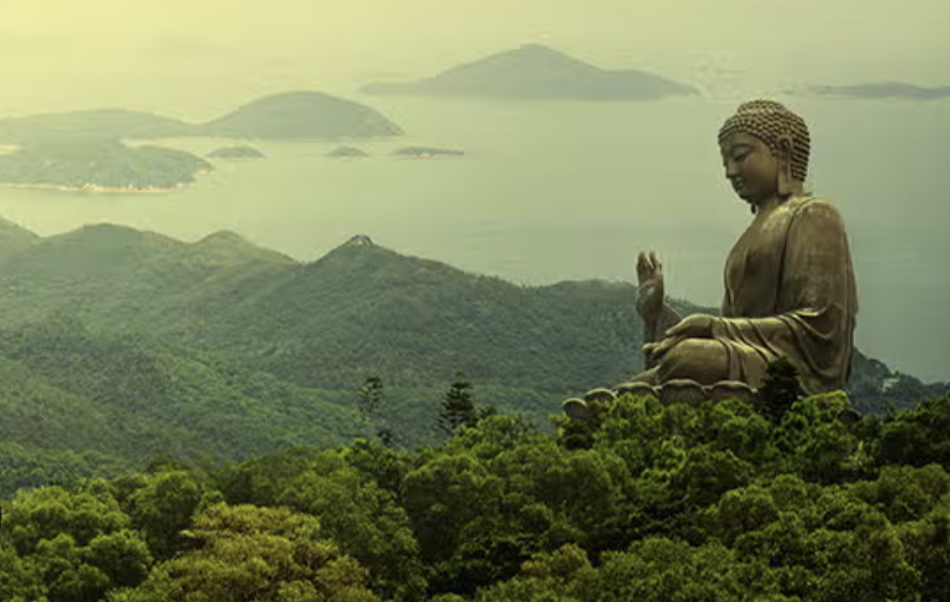
Day 15: Hong Kong | Lantau Island
Arrive in Hong Kong and transfer to the Asian Institute of Applied Buddhism (AIAB) on Lantau Island, where the pilgrimage continues into its final phase. After a light lunch or tea, the group gathers for an opening circle with reflections from the journey. The afternoon unfolds with guided sitting and walking meditation, and the evening closes with dinner at AIAB and a Dharma dialogue: What remains when the pilgrimage ends? Dharma talks by Stephen, Martine and Shantum will be the focus of the day.
-
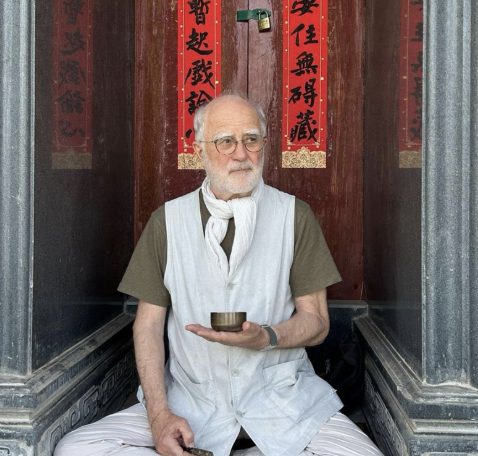
Day 16: Lantau Island
The day begins with morning meditation at AIAB before heading to Po Lin Monastery — a living Chan institution nestled in the hills. From there, a silent ascent leads to the Tian Tan Buddha for quiet contemplation amid the mountain air. After a vegetarian lunch at the monastery, the afternoon is given over to rest and personal reflection at AIAB. A late-afternoon dialogue session explores Chan and Zen in the modern world — questions of continuity and change — followed by an evening walking meditation in nature and an optional sharing circle. Dharma talks by Stephen, Martine and Shantum will be the focus of the day.
-
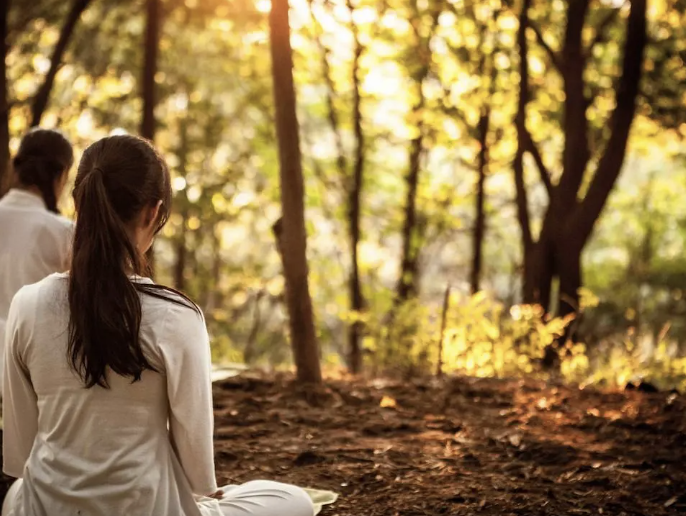
Day 17: Lantau Island
Dharma talks by Stephen, Martine and Shantum will be the focus of the day. The final optional day transfers to Kowloon for a visit to Chi Lin Nunnery, a striking example of contemporary Chan architecture and monastic discipline. A contemplative walk through the adjoining Nan Lian Garden follows. The afternoon offers a choice: a mindful walk along the harbourfront or through Central, or time at leisure before departures.
What to Expect
This journey is co lead by Stephen Batchelor, Martine Batchelor, Shantum Seth and the best guides in China at each location.
There will be scheduled time each day for sitting and walking meditation, dharma sharings, and Q&A with all the teachers, as well as personal contemplative time for quiet reflection. A central intention of this journey is the creation of a traveling sangha — a community that moves, practices, and learns together, offering mutual support and fostering the kind of depth that only sustained group practice can bring.
The daily rhythm of the retreat will be unhurried and rooted in the places themselves. Most mornings begin with meditation at the site we are visiting — letting the space settle into us before we engage with it historically or intellectually. Breakfast follows at the hotel, after which we make our way to one of the day's principal sites. Stephen will offer a detailed talk in context — drawing on the history of the place, the lineage it represents, and what was unfolding in Chinese Buddhist life during the centuries when these masters lived — while always drawing the thread back to practice and to our own times. Pilgrims will have unhurried time to walk, sit, and absorb the site before we gather for lunch together.
Afternoons are for rest, and then, where the itinerary allows, a second visit — to another Buddhist site, a village, a school, or a local home — the kind of encounter that grounds the journey in the living culture of contemporary China. We return to the hotel in time for dinner, and on many evenings there will be a dharma sharing to close the day.
On travel days the rhythm shifts to suit the road. Throughout, the itinerary holds room for flexibility — adjusting to the needs, pace, and interests of the group as the journey unfolds.
You’ll stay at the best available accommodations in the vicinity of the sites (which are normally five-star hotels, heritage hotels, and guest houses), based on shared, twin-bedded rooms with a private bath or shower and toilet. The accommodations are clean and comfortable—in some cases monastic-style, and in some cases more luxurious.
Transport is by comfortable private coach (apart from internal flights and airport transfers). All meals are included, with a large variety of delicious local dishes and plenty on offer for vegetarians. Bottled water is also provided. English is widely spoken, and transportation and infrastructure are good, but travelers must still expect the unexpected! China is a place of contrasts: often crowded and impoverished, but also friendly, colorful, and magical. A good sense of humor, flexibility, patience, and a sense of adventure will stand you in good stead.
Pricing
The total price includes guide services, transportation, meals, site entrance fees, bottled water, and lodging arrangements for the duration of the journeys.
The total cost for the pilgrimage retreat led by Stephen and Martine Batchelor and Shantum Seth (October 10-25, 2027) is US $TBD, based on double occupancy. The single room supplement is an additional US $TBD*.
The cost of the Hong Kong retreat extension (October 10-25, 2027) is US $TBD with a single room supplement of US $TBD*.
What’s included
airport transfers and escort services in Shanghai and Hong Kong
guide services
transportation inside China including local flights as scheduled
site entrance fees
all meals and bottled water
lodging arrangements for the duration of the journey
What’s not included
international airfare to and from China
visas and other international arrangements
costs for any extra days spent in China beyond the dates of the journey
any additional activities not included in the itinerary
excess baggage fees on flights
medical or other insurance coverage including travel insurance
phone calls during the journey
laundry
spending money
tips
any other items not specified above
Includes Government Service Tax; can be paid in the equivalent currency of your country
Forced singles room supplement (in case we are not able to room you with anyone else) will be 50% of the single supplement.
Because accommodation options can be limited —and groups may overlap—single rooms are not always guaranteed. In some locations, a triple room may be required. We appreciate your understanding if this happens.
To register, a non-refundable deposit of US $1000 per person is required at the time of booking, with the remainder of the cost due by July 10, 2027. All registration fees are payable in US dollars or the equivalent in other currencies.
Please Note: This pilgrimage may be Tax- Deductible. We can give you a suitable letter if necessary.
TESTIMONIALS (“From Our Travelers”)
"Pilgrimage with Shantum is an extraordinary and inspiring experience! These voyages are the best and most blessed way to encounter Buddhist Asia."
Jack Kornfeild, Founder of Spirit Rock Mediation Centre
“This wondrous journey opens dharma door after dharma door. Led by Shantum Seth, the pilgrimage teaches you through history and living Buddhism what the heart of the Buddha was truly about. Shantum himself is an example of practice, an inspiration and a teacher of grace, kindness, and insight. With him, you feel the presence of Buddhism as a living tradition of compassion.”
Joan Halifax Roshi, Founding Teacher,
Upaya Foundation, USA
“Whether you are a Buddhist pilgrim or simply want to learn more about the sources of Buddhism, you will find Shantum Seth’s guided journey… a deeply enriching and unforgettable experience.”
Stephen Batchelor, Author of “Buddhism without Beliefs”
“Shantum's love of buddhadharma and in-depth historical understanding was a constant source of enrichment. For me the value of an 'outer' pilgrimage is the ability to nourish the 'inner' pilgrimage – traveling with Shantum did just that.”
Larry Rosenberg, guide and teacher, Cambridge Insight Meditation Center, USA
“Throughout the journey Shantum looks after every detail. Whether it’s sorting out tickets, bargaining with shopkeepers, buying fruit, or just choosing a menu, Shantum takes care of it all. You are then free to concentrate on the pilgrimage and to absorb the atmosphere.”
Robert Bluck, author of British Buddhism
“"With each step and breath the Buddha comes alive. Shantum's balance of knowledge, insight and humor brings joy to those journeying with him in the footsteps of the Buddha."
Thich Nhat Hanh,Zen master
“It was important to me was to be guided by someone with intimate knowledge of and sensitivity to the dharma, the sacred sites, the land and its people. Shantum Seth manifested this rare combination. For me, the pilgrimage was very rich and fulfilling. I will savor it for years.”
Eloise Ross-Jones, participant
“Shantum guided us skillfully through the sacred ancient sites and also through modern India, treating us as friends and guests. He bridges East and West effortlessly, with great humanity. The stories of the Buddha's life as we sat in the gardens at Lumbini, strolled the ruins of Buddha's palace, or watched the sun set on the exact spot where he died, helped me understand the drama of his life, and the significance of his teachings.”
Jim Gollin, participant and Board member, Rainforest Action Network
“Shantum’s ability to coordinate scheduling, living accommodations, and transportation was impressive. His skill and knowledge as a guide are unsurpassed. He made the journey highly meaningful for me and my fellow travelers, all from the States. His passion for the history and teachings of the Buddha made the experience a life-changing one.”
Katharine Bertolet, participant
“The most worthwhile journey of my life. This pilgrimage is unique.”
Doris Field, participant
FAQs
What is the accommodation like?
The accommodation provided is in comfortable and well-located high-end hotels. Prices are based on shared, twin-bedded rooms with a private bath or shower and toilet. If you prefer a single room (where available), there is a price supplement. Solo travelers who wish to room with another participant will be accommodated where possible. However, in the event that a solo traveler must room alone, they will be liable to pay 50% of the single supplement. Please note that in some rare cases, hotels are not able to provide single or even twin rooms owing to the sheer volume of tourists. In these cases, we ask for your understanding.
Food & Water
We stay in clean, safe places, and the food in the places we visit will be hygienically prepared, fresh, and cooked to suit a delicate digestive system. We will provide you with bottled water for drinking along the journey.
Health Concerns
We carry a first aid kit with us, but many people prefer to bring their own medicine supply as you may not be able to purchase the same range of medications you are used to. If you take any prescription medications, we recommend you bring them in the original labeled packaging. We also suggest you include an insect/mosquito repellent and medicines for diarrhea and constipation.
Please let us know at the time of registration if you have any special dietary restrictions or medical needs.
What cultural considerations should I know?
Western travelers visiting China, it's important to consider the unique cultural considerations of these East Asian countries. While English is spoken in tourist areas, it is not widely spoken throughout East Asia. Transportation systems are developing and generally good. We recommend travelers expect the unexpected! Rest assured, we will take every measure to ensure a smooth experience—your travel is by comfortable coach and your experienced guides will bridge any language gaps.
Chinese people are friendly and welcoming; visitors will likely encounter warm hospitality and genuine kindness. People tend to be respectful, friendly and family oriented. Packing your good sense of humor, flexibility, patience, and sense of adventure will stand you in good stead.
What is the cancellation policy?
For cancellations received up to eight weeks prior to the commencement of the tour, only the deposit will be forfeited. There is no refund for cancellations made within eight weeks of the beginning of the journey, 100% of the total cost will be forfeited.
What travel insurance will I need?
Participants are required to carry medical insurance. The range of coverage can vary significantly from policy to policy, and travelers are encouraged to speak with a travel agency to identify a policy that suits their needs. Things to consider are travel delays, trip cancellation or interruption, medical coverage, and baggage loss or delay. Before purchasing insurance, you may wish to check with your health insurance carrier to see if your policy includes medical care overseas. Please note that many insurance carriers require that insurance be purchased at the time a deposit or final payment is made; check with your carrier for details.
What happens upon arrival?
The journey will begin at 12 noon in Shanghai on October 10, 2027, with a complimentary airport transfer upon arrival.
For those coming only for the Hong Kong extension, arrival is at Hong Kong airport at midday on October 25th, 2027.
What happens upon departure?
China’s journey ends on the morning of October 25th, 2027, in Hong Kong.
Participants are responsible for booking all international flights. We are happy to assist with the flight bookings. If you have any questions, feel free to check with us before you confirm your flight bookings. For international flights, tickets should be booked as early as possible.
We will arrange complimentary airport transfers for your departures on the last day of your journey.
Can I book extra nights?
For those wishing for an extra day or two to recover from air travel before the journey begins, or who wish to stay longer after the journey ends, we would be happy to book on your behalf.
What travel documents are required?
Passports should be valid for six months from the date of entry into China. You will need visas for this trip. We recommend you make a photocopy of your passport and keep it somewhere separate, or scan it and keep it in an accessible email account in case of loss or theft.
China Visa Information:
For tourists, the L visa is suitable.
Prepare all documents needed: Documents required for all types of visa include passport and visa application form attached with a recently-taken photo. Besides, other supporting documents are required, but they vary according to the visa type you are applying for. For instance, if you apply for a tourist L visa, the supporting documents will refer to round-trip tickets, hotel bookings or an invitation letter from your China travel agency. See detailed China Visa Application Requirements.
Be sure your documents meet the requirements of Chinese embassy.
Passport: with a remaining validity of at least 6 months; have a blank visa page.
Visa Application Form: truthfully completed; type-written with no blanks left.
Photo: taken within latest six months; full face against a light background; size: 48mm x 33mm; bare-headed unless for religious causes.
Submit the application: Visit the Chinese embassy, consulate or Chinese Visa Application Center (CVASC) which serves your residence area. You can show up in person or ask an agent to do this for you. In some consular offices and CVASCs, mail service is also available.
The normal processing time is four working days including the day you submit the application and the day you collect. Remember there might be additional non-working days for Chinese public holidays. By paying an additional fee you can usually have your application processed faster. It is normally possible to have your application processed overnight, for collection in the following afternoon, though some offices might offer a same-day service if you arrive in the office soon after opening. In general, try to apply for it well in advance to allow for any delay.
Pay the fee and pick up your visa: Go to the place where you apply for China visa on the date appointed at the pick-up slip. Pay the fee and you will get your passport back with visa. See China Visa Fees.
Best time to apply for a China visa: The best time to apply for China visa is one or two months before your departure date. Usually, a China visa is valid for only three months from the date of issue, which indicates that the earliest time you can apply is three months before your departure.
Will I need to bring money?
Hotels, food, transportation and guide services are all included by the tour fees. We suggest that travelers carry cash for expenses like gifts or souvenirs. Travelers will also need money if they plan to extend their stay before or after the journey. Credit cards such as VISA or American Express are widely accepted in hotels and large shops and there are ATMs in most locations where you can access cash.
We suggest bringing $ 1000 USD in small denomination cash as it is widely accepted in China. There is no need to exchange money in your country and it is best to do so in China.
How does tipping work?
Travelers often have questions about tipping. We have developed a system where we collect a kitty at the beginning of the journey, and the tips are distributed from it (contributing is optional). This contribution covers all the incidental tipping/donations during the pilgrimage at hotels/restaurants etc. Thus far, this has worked well. It usually works out to $10 to $15 per person per day. We recommend setting aside approximately $200 per person for tips.
If you arrive before the start of the journey or stay after it concludes, it is good to bring extra small denomination cash.
Do I need a plug adaptor?
In China, the common power voltage is 220 Volt 50 Hz AC.
Is Outlet Adaptor Needed in China?
As the shapes of sockets and voltage vary among countries, a portable plug adaptor is usually necessary
Chargers of most electronic devices like cell phones, tablets, and cameras can function normally in the wide power voltage of 110~240V. Most hotels ranking above 3 stars in China provide electrical outlets of both 110V and 220V in the bathrooms, though in guest rooms usually only 220V sockets are available.
What Power Sockets are Used in China? There are two kinds of sockets widely used in Mainland China: type A and type I. The type A can also accept plugs of type C or F, which are commonly seen in most European countries.
What should I pack?
Given that there can be variation between the daytime and evening temperatures (the general range is from 10 - 20°C/50 - 68°F), light layering is a practical approach. We recommend bringing jackets and sweaters for in the hills and in the evening and a shawl for meditations in the morning.
For the warmer part of the day, cotton shirts, T-shirts, and trousers work well. An umbrella or a parasol is recommended for light rain and sharp sunshine. Modest dress is advisable, with legs and arms covered especially when visiting religious sites. Please bring comfortable sneakers or sandals (which you can wear with socks if it gets cold). There is no need to bring formal clothing.
We also visit temples where you will need to remove your shoes, so it is helpful to bring a pair of socks (the airline slip-ons are very convenient). Having a hat or cap to protect you from the sun is always useful. The free baggage allowance is 20 kilos (44 lbs.) of check-in baggage. Your cabin baggage limit is 5kgs, so we recommend that you travel light. Laundry facilities are available everywhere we stay, and laundry is usually returned within 24 hours.
Will I need vaccinations?
There are no medical restrictions upon your entry into China.
Can I use my mobile in China?
Another option for phone connection, if you do not wish to purchase a SIM card, is to utilize WhatsApp. In this case, all you will need to do is add the app to your device and your contacts, and you will be able to call and text when connected to Wifi. All of the hotels we visit will have reliable WIFI connections.
Are there any age restrictions?
Under-18s must be accompanied by an adult.